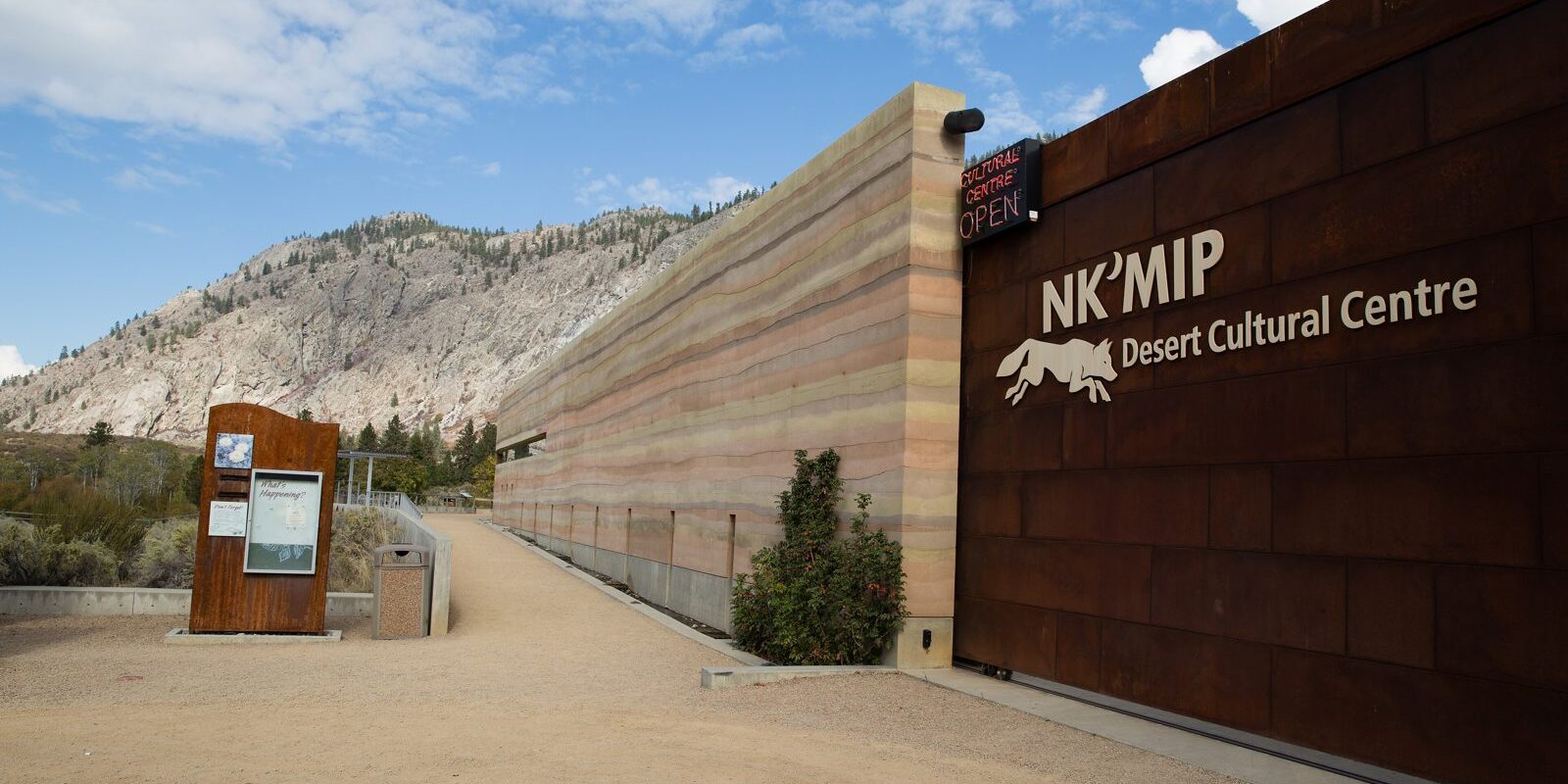
Almost everything I’ve built in twenty-five years starts with concrete. So when somebody says they’ve got something better, I pay attention.
This year I came across four materials taking a shot at concrete: ice that’s about ten times stronger than normal ice, concrete that stores electricity, stone grown by bacteria, and a 126-million-dollar building in Australia with walls made of packed dirt. Some of them are years away from a job site. One of them you could build with tomorrow.
The rule here is simple. Every material gets measured against concrete, and I’ve lined them up from furthest from a real job site to closest.
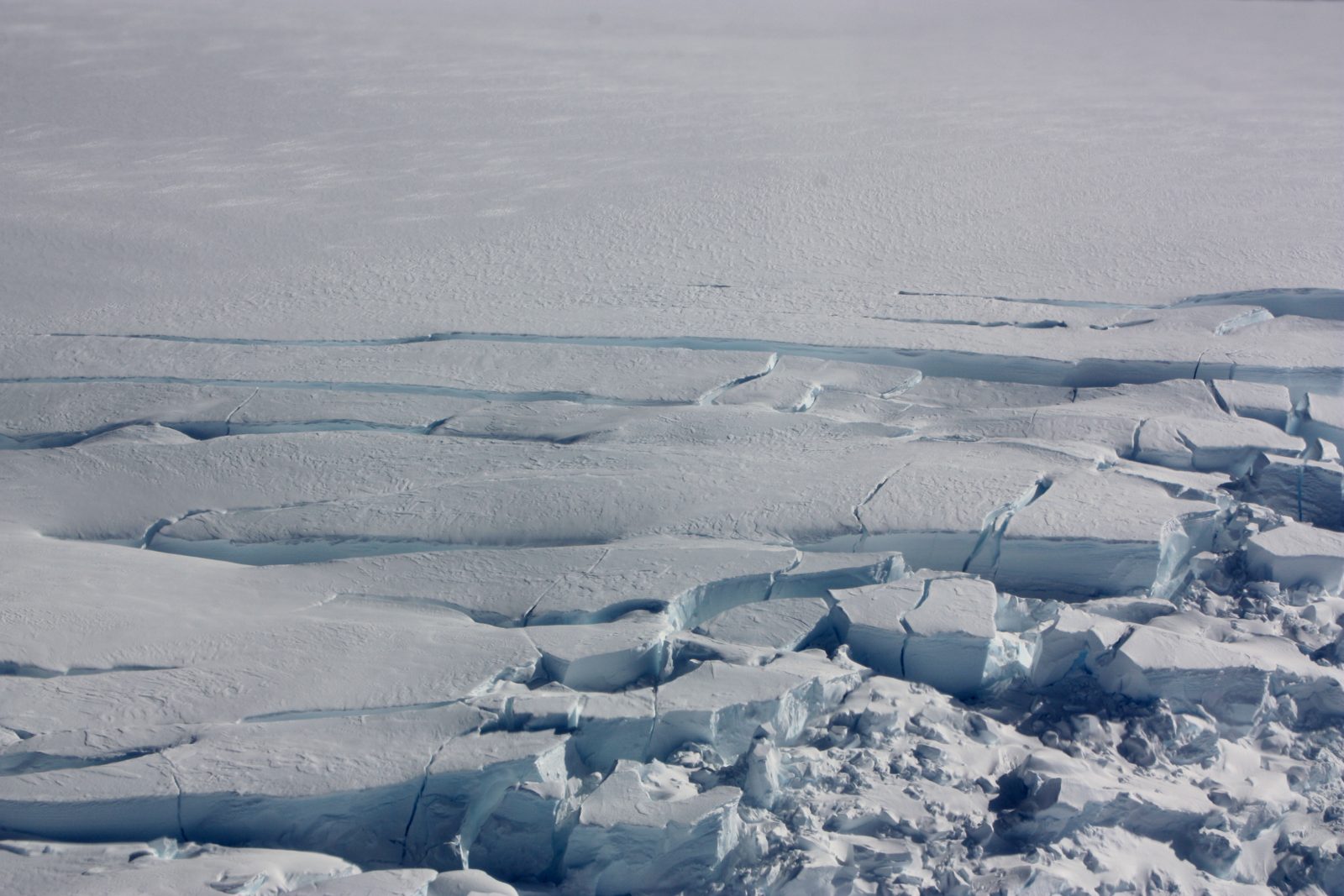
1. Super ice (BioPykrete): as strong as concrete?
Ice is a terrible building material. It cracks without warning, and once a crack starts, it races right through.
Researchers at the Hebrew University of Jerusalem have made what they call super ice. The proper name is BioPykrete: regular ice plus cellulose nanocrystals (tiny, stiff particles from the stuff that gives plants their structure), held to the ice by a designed protein that works like molecular glue.
The result is about ten times stronger than plain ice under compression, and it absorbs about seventy times more energy before it fails. Instead of shattering, it bends and breaks gradually. The university says that puts it at strength levels similar to regular concrete.
Builder’s take: Not in Ontario. Ice is the only material I know that leaves the job site when it warms up. And that concrete comparison came from a sample two centimetres across. A wall is a different animal, and it still needs long-term testing for freeze-thaw and creep. Where it makes sense is the Arctic or Antarctica, where shipping in concrete and steel costs a fortune and the raw material is lying all around you.
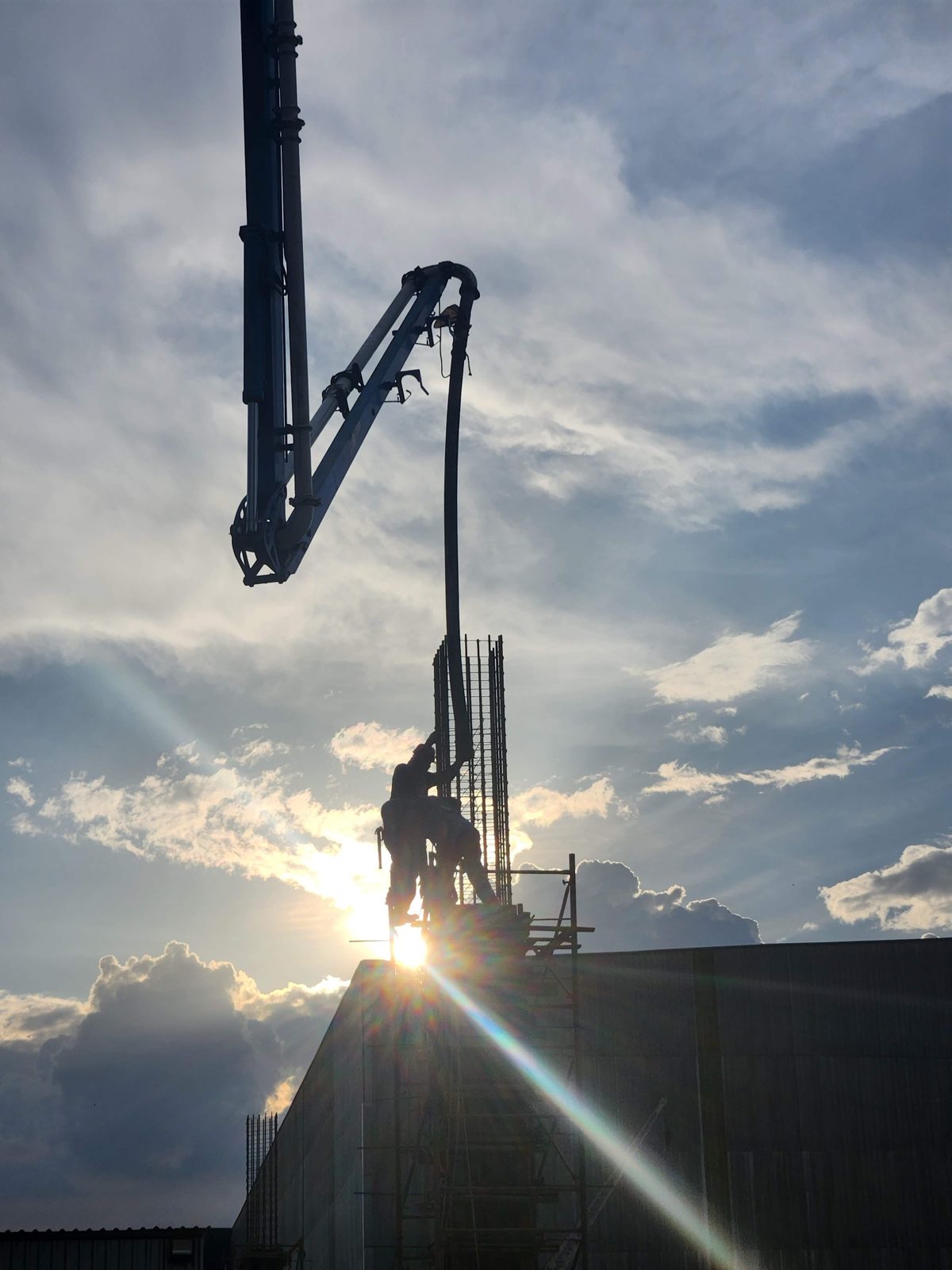
2. Concrete that stores electricity
Researchers at the Harbin Institute of Technology and the Chinese Academy of Sciences turned a small concrete slab into something that stores electricity. They mixed carbon nanotubes and carbon black into cement to make a conductive ink, then 3D-printed it onto the slab as two interlocking combs that act as electrodes. The water in the cement’s tiny pores carries the charge.
One important detail: what they built is a supercapacitor, not a battery. It holds less energy than a battery, but it charges and discharges very fast. Three of them on one slab, wired together, lit up a small row of LEDs. It tested at 23 megapascals, about 3,300 psi.
Builder’s take: The first problem is the cold. The Harbin team found performance dropped sharply at minus eighteen, and minus eighteen is a Tuesday in January around here. The second is strength. 23 MPa is fine for an interior floor, where Ontario’s code minimum is 20. But garage floors and exterior flatwork need 32. So this is basement-floor territory, not driveway territory. And nobody has answered the basics yet: cracks, rebar, wiring and cost. I think it starts small, with emergency lighting and self-powered sensors.
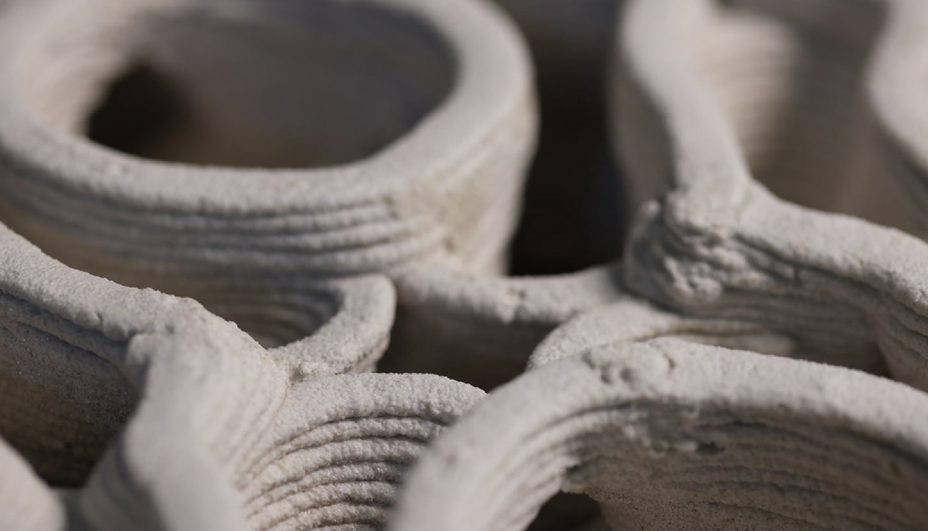
3. Bacteria-grown stone: cement without the kiln
Concrete’s bigger problem is how it’s made. Cement production is about six percent of global emissions, and a big part of that is the kiln. Cement gets fired at over a thousand degrees.
At ETH Zurich, architect Karen Antorveza Paez is skipping the kiln completely and letting bacteria do the work. She 3D-prints a paste of sand, live bacteria and a seaweed-based gel, then soaks it in a daily bath of urea and calcium chloride. The bacteria help grow calcium carbonate, the mineral in limestone, between the sand grains. In two to five days it’s solid mineral, made with no heat at all.
Against the real thing, the biggest printed piece so far is about shoebox size (30 × 20 × 20 cm), and strength runs from about 0.5 MPa up to 2.2. Type N mortar has to hit 5.2, and Ontario’s minimum for basic concrete is 15. Where the bacteria really help is bending. Printed beams with bacteria were about 21 times stronger in bending than without, because the crystals fill the weak joints between layers. The catch is that the process also makes ammonium, which has to be captured or treated.
Builder’s take: Not for anything holding weight. ETH says load-bearing is still a long way off. But a decorative screen, a sunshade or a garden feature wall? If the price and durability were there, sure. Nobody has tested it against Ontario freeze-thaw and road salt yet, so that’s my first question. Its commercial cousin, Biomason, already makes bacteria-grown tiles at a plant in Denmark.
4. Rammed earth: formed like concrete, made of dirt
The last challenger is about as old as building gets. On October 16th, a new visitor centre opened at the Twelve Apostles in Australia. It was designed by Grimshaw and co-designed with the Eastern Maar Aboriginal Corporation, the Traditional Owners there, and it cost 126 million Australian dollars. The walls are rammed earth, hand-formed from about 1,500 tonnes of rock by a regional company called Earth Structures.
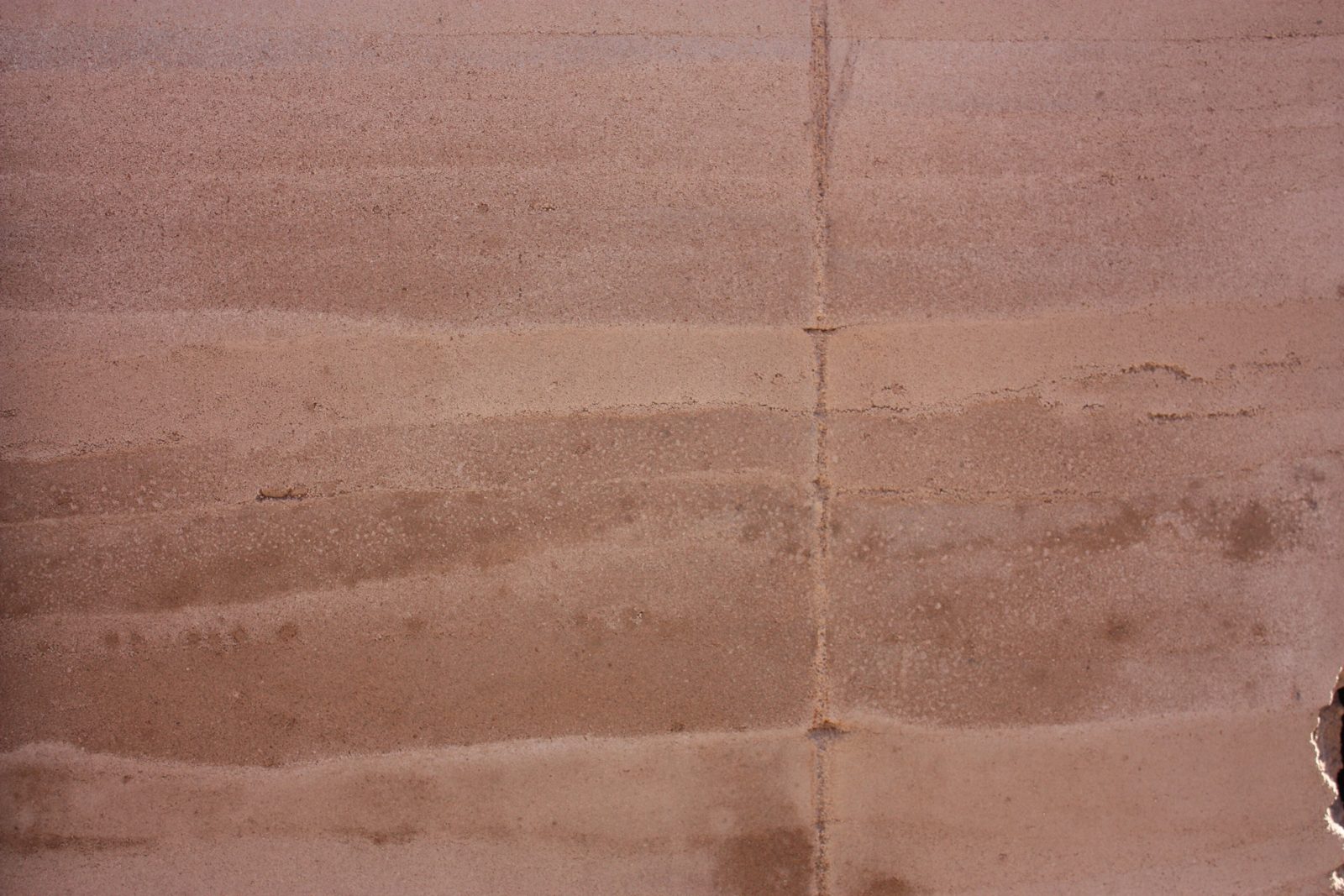
If you’ve formed concrete, you already get it. You build strong, braced forms, put in a damp soil mix (usually with a bit of cement), and pound it down in six-to-eight-inch lifts, each rammed to about half its starting height. Every lift shows on the face. That’s where the stripes come from.
Closer to home, the Nk’Mip Desert Cultural Centre in Osoyoos, B.C., has a rammed-earth wall about 80 metres long and 5.5 metres high. For our climate it’s a sandwich: about ten inches of earth, four inches of rigid insulation, then ten more inches of earth, for roughly R33. Ontario has history here too. St. Thomas Anglican Church in Shanty Bay, near Barrie, was started in 1838 and is one of the few surviving rammed-earth buildings in the province.
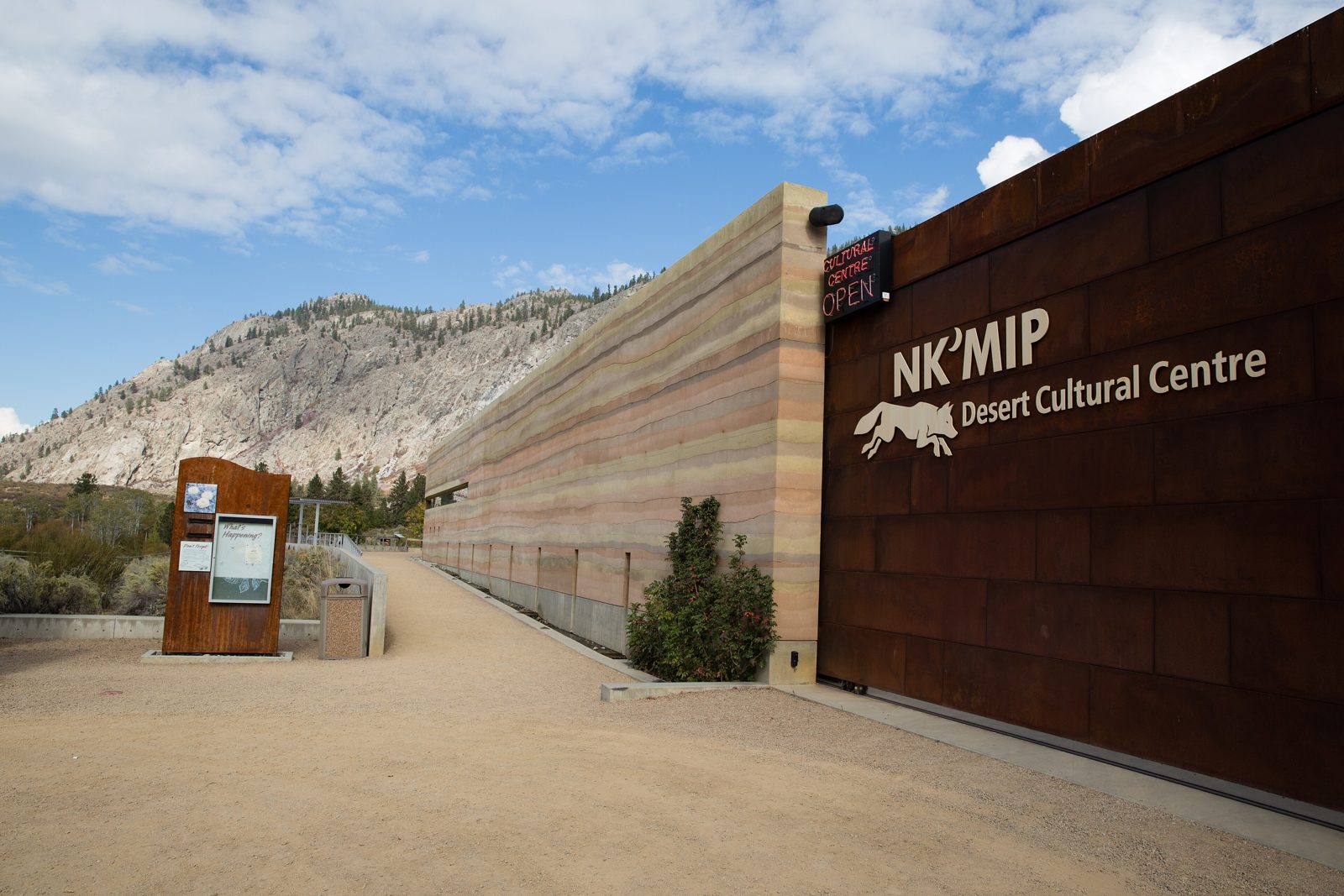
Builder’s take: It’s basically concrete forming, but slower and a lot more labour. The Nk’Mip architect said straight up that it cost more than concrete, and the biggest barrier is finding crews who know how. I couldn’t find a Canadian code standard for engineering rammed earth. In Ontario, that means an Alternative Solution: a report from an engineer or architect, with test data, approved case by case by the chief building official. Freeze-thaw is the real test, and long-term cold-climate data is still thin. If I built one, it would be stabilized, insulated in the middle, up off grade, and have good overhangs. But out of everything here, this is the one you could actually build with tomorrow.
The verdict: how close is each one to a job site?
| Material | Best number | Biggest catch | How close to a job site |
|---|---|---|---|
| Super ice (BioPykrete) | ~10x stronger than plain ice | Tested on a 2 cm sample; it needs the cold, and ice creeps | Lab |
| Concrete that stores power | 23 MPa (~3,300 psi) | Performance drops sharply at −18 °C; 32 MPa needed for garages and exterior work | Lab |
| Bacteria-grown stone | ~21x stronger in bending with bacteria | 0.5–2.2 MPa vs. 15 for basic concrete; ammonium by-product | Lab (bacteria-grown tiles in production in Denmark) |
| Rammed earth | ~R33 insulated sandwich wall | Slow, labour-heavy, and Alternative Solution approval in Ontario | Built: you could build with it tomorrow |
Is concrete going anywhere? Not this year. Three of these are still lab work, and the fourth is the oldest trick in the book. But every one of them is chipping away at a job concrete does today.
The full episode is coming, so tell me your pick
I’m putting together a full video that walks through all four, with my builder’s take on each. Subscribe to UrbanBldr (@urbanbldr) on YouTube so you catch it when it drops.
Then tell me in the comments: if you had to build with one of these tomorrow, which one would you pick, and why? I read them.
Sources
- Super ice: Hebrew University of Jerusalem via EurekAlert (14 Sep 2026), https://www.eurekalert.org/news-releases/1144001
- Concrete supercapacitor: Wu, Zhong & Ren, ACS Nano (2026), https://doi.org/10.1021/acsnano.6c09927 · ACS release (1 Oct 2026), https://www.eurekalert.org/news-releases/1146240 · MIT News (1 Oct 2025), https://news.mit.edu/2025/concrete-battery-now-packs-ten-times-power-1001
- Bacteria-grown stone: ETH Zurich, “When bacteria become masons” (14 Oct 2026), https://ethz.ch/en/news-and-events/eth-news/news/2026/10/when-bacteria-become-masons.html · Antorveza Paez et al., npj Materials Sustainability (2026), https://www.nature.com/articles/s44296-026-00110-1
- Rammed earth: Australian Government, Twelve Apostles visitor centre opening, https://minister.infrastructure.gov.au/c-king/media-release/new-twelve-apostles-visitor-centre-opens · Dezeen (12 Oct 2026), https://www.dezeen.com/2026/10/12/grimshaw-visitor-centre-twelve-apostles-australia/ · Canadian Architect on Nk’Mip, https://canadianarchitect.com/terra-firma/ · Harvey & Szentesi-Nejur, Frontiers in Built Environment (2025), https://www.frontiersin.org/journals/built-environment/articles/10.3389/fbuil.2025.1695449/full
- Ontario Building Code 9.3.1.6 (concrete strength minimums): https://codeindex.ca/article/9.3.1.6
Image credits
- Cracked glacier ice: NASA / George Hale, public domain, via Wikimedia Commons
- Concrete boom pump: Bernardobenzecry, CC BY-SA 4.0, via Wikimedia Commons, resized
- Biocement print layers: Antorveza Paez et al., npj Materials Sustainability (2026), CC BY 4.0, cropped
- Nk’Mip Desert Cultural Centre wall: Mack Male, CC BY-SA 2.0, via Wikimedia Commons, resized
- Rammed earth wall layers: Moshirah, CC BY 3.0, via Wikimedia Commons, resized



Leave a Reply